Opening a US bank account as a non-resident has become one of the most common hurdles for international entrepreneurs entering the United States market. Forming an LLC is usually straightforward. Getting an EIN typically takes a few days. However, the banking step is where many founders face delays lasting weeks or even months.
I am James Baker, a Licensed CPA based in Miami, Florida, and over the past fifteen years, I have worked with thousands of non-resident founders from more than fifty countries to help them open US business bank accounts. Many of them had already been rejected multiple times by online banking platforms before reaching out. In most cases, once we work through the process together, approval comes on the first attempt. Below is how I approach it, what I focus on, and why it consistently produces results.
Why Most Foreign Founders Get Rejected by US Banks
Before going into the process, it is important to understand why applications fail so often.
US banks operate under strict Know Your Customer (KYC) and Anti-Money Laundering (AML) requirements. When a non-resident applies for a business account, the compliance team must assess risk using limited information. If anything appears unclear, inconsistent, or incomplete, the application is typically rejected. There is usually no follow-up call for clarification.
The most common reasons for rejection include mismatched addresses across documents, unclear or overly general business descriptions, missing Operating Agreements, incorrect or incomplete EIN confirmation details, and submitting applications before the IRS has fully processed the entity setup.
Each of these issues is avoidable. The challenge is that they are not always obvious until you have reviewed a large number of real applications.
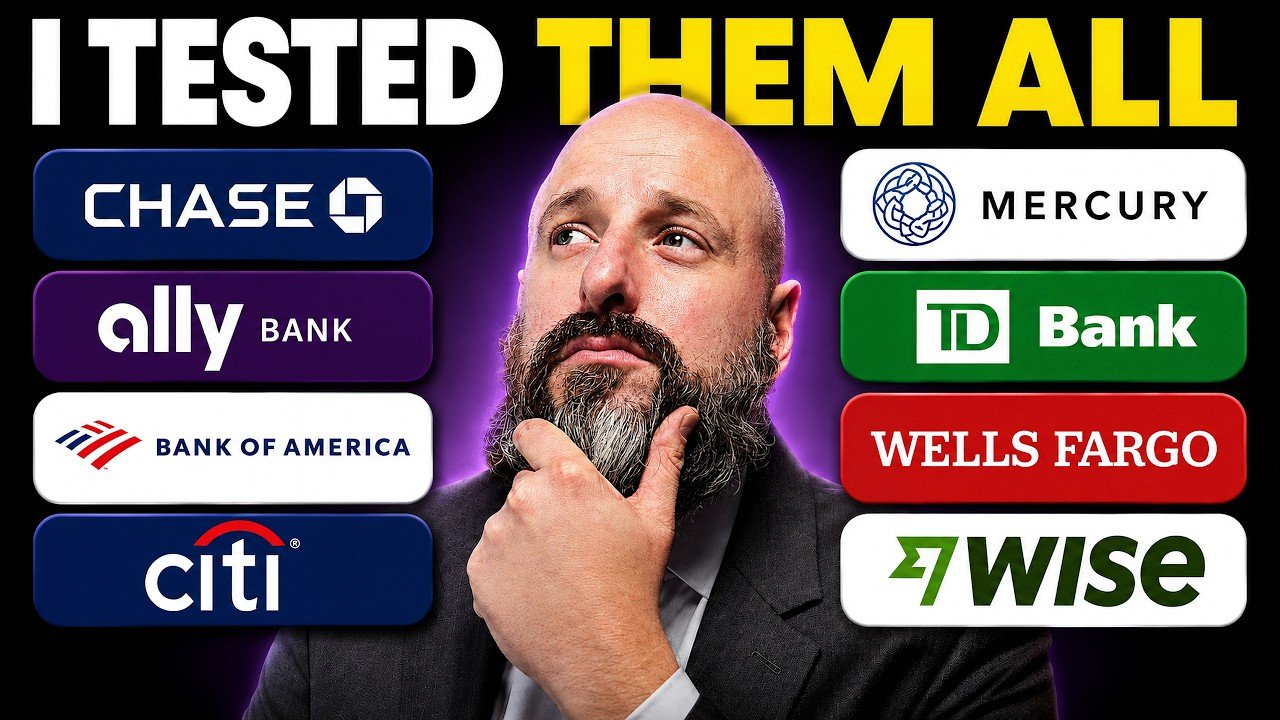
The Banks and Platforms I Work With Most Often
Not every US financial institution accepts non-resident founders. Some are open to international applicants, while others are highly restrictive.
Over time, I have developed clear insight into which platforms are suitable for different business types and what each one expects during the application review.
Mercury
Mercury is a widely used option for non-resident founders in tech, SaaS, e-commerce, and service-based businesses. It supports remote applications and integrates smoothly with tools like Stripe. However, it places strong emphasis on the clarity of the business model, so the application must be carefully structured.
Wise Business
Wise is useful for founders who need to send and receive funds in multiple currencies. It can serve as a US-based USD receiving account while maintaining global flexibility. I often suggest it for founders with international customer bases or cross-border cash flow.
Relay
Relay Financial is a strong choice for founders who want structured sub-accounts to manage income, taxes, and operating expenses separately. It is generally friendly toward non-resident applicants and works well for online business operations.
Traditional US Banks
Traditional institutions such as Chase or Bank of America can be used in certain cases, but the process is more demanding. It often requires a US visit, a local representative, or an established banking relationship. I support clients in these cases when the structure and requirements align properly.
My Done-With-You Banking Process, Step by Step
Here is how I guide international founders through the process from start to approval.
Step 1: Matching You With the Right Bank for Your Business Model
Every business has different banking needs. A dropshipping store does not operate the same way as a SaaS company. A consultant working globally has different requirements from a real estate investor.
Before any application is prepared, I review your business model in detail. This includes what you sell, your customer base, how payments are received and sent, the currencies involved, and your expected transaction flow.
Based on this, I recommend the most suitable banking option or combination of accounts. This step helps reduce unnecessary rejections caused by choosing the wrong institution for the business type.
Step 2: Preparing Your Application Documents Together
US banks require specific documentation for non-resident applicants. I ensure every document is complete, consistent, and properly formatted before submission.
The standard document package includes:
- Articles of Organization or Incorporation
- EIN confirmation letter from the IRS
- Operating Agreement signed by all members
- Passport copy for all owners with 25% or more ownership
- Proof of residential address (utility bill or official document)
- Clear business description
- Website or product links, if available
If something is missing, such as a website, I help set up a basic structure that meets banking expectations.
Step 3: Writing the Business Description in the Right Format
This is one of the most sensitive parts of the application.
Banks review business descriptions to understand risk level, revenue model, and overall activity. Vague wording such as “online business” or “digital services” often creates concern during compliance review. Clear, specific explanations tend to move forward more smoothly.
I personally refine the business description for each client. I focus on clarity, accuracy, and alignment with what compliance teams expect to see at institutions such as Mercury and Wise, as well as other platforms.
Step 4: Submission and Application Follow-Through
Once everything is prepared, we submit the application together. My role continues until a decision is made.
If the compliance team requests additional details, I assist in preparing the response. If there are delays, I follow up through the appropriate channels to keep the process moving.
With proper preparation, most approvals are completed within five to ten business days. In some cases, approvals are issued within 48 hours.
What If You Have Already Been Rejected?
A prior rejection does not prevent you from opening a US bank account in the future.
Each bank operates its own review system. A rejection at one institution does not automatically affect others. In many cases, the issue is related to presentation, documentation, or bank selection rather than eligibility itself.
When I work with clients in this situation, I review the previous application, identify the likely issues, and rebuild the entire submission package. In some cases, switching to a different bank is the more suitable path based on the business model.
Things I Recommend Before Applying
Even if you are not working with me directly, these steps can significantly improve your application readiness:
- Ensure your LLC is fully formed and your EIN is issued
- Have a signed Operating Agreement ready
- Keep your address consistent across all documents
- Prepare a simple website or landing page
- Be able to explain your business clearly in two to three sentences
- Avoid submitting multiple applications without a clear plan
Frequently Asked Questions
Can I open a US bank account without a Social Security Number?
Yes. Platforms such as Mercury, Wise, Relay Financial, and several traditional banks accept non-resident applicants without an SSN. As a Licensed CPA working directly with these institutions, I understand how each application should be structured.
Do I need to travel to the United States?
For most modern platforms such as Mercury, Wise, and Relay, the process is fully remote. Some traditional banks may still require in-person verification depending on the case.
Can I use my home country address?
Yes. Your residential address is required for identity verification. Banks use it to confirm where you live, not where your company is registered.
How long does approval usually take?
With proper preparation, most applications are approved within five to ten business days. Some are completed faster. Without preparation, delays and repeated rejections are common.
What if my country is considered high-risk?
Some jurisdictions receive additional scrutiny. In these cases, the outcome depends heavily on bank selection and application structure. I have worked with founders from many such regions and helped them complete approvals by aligning the application correctly.
Ready to Move Forward?
If you want support with US entity setup, banking setup, and structuring your application correctly, you can schedule a consultation with James Baker.