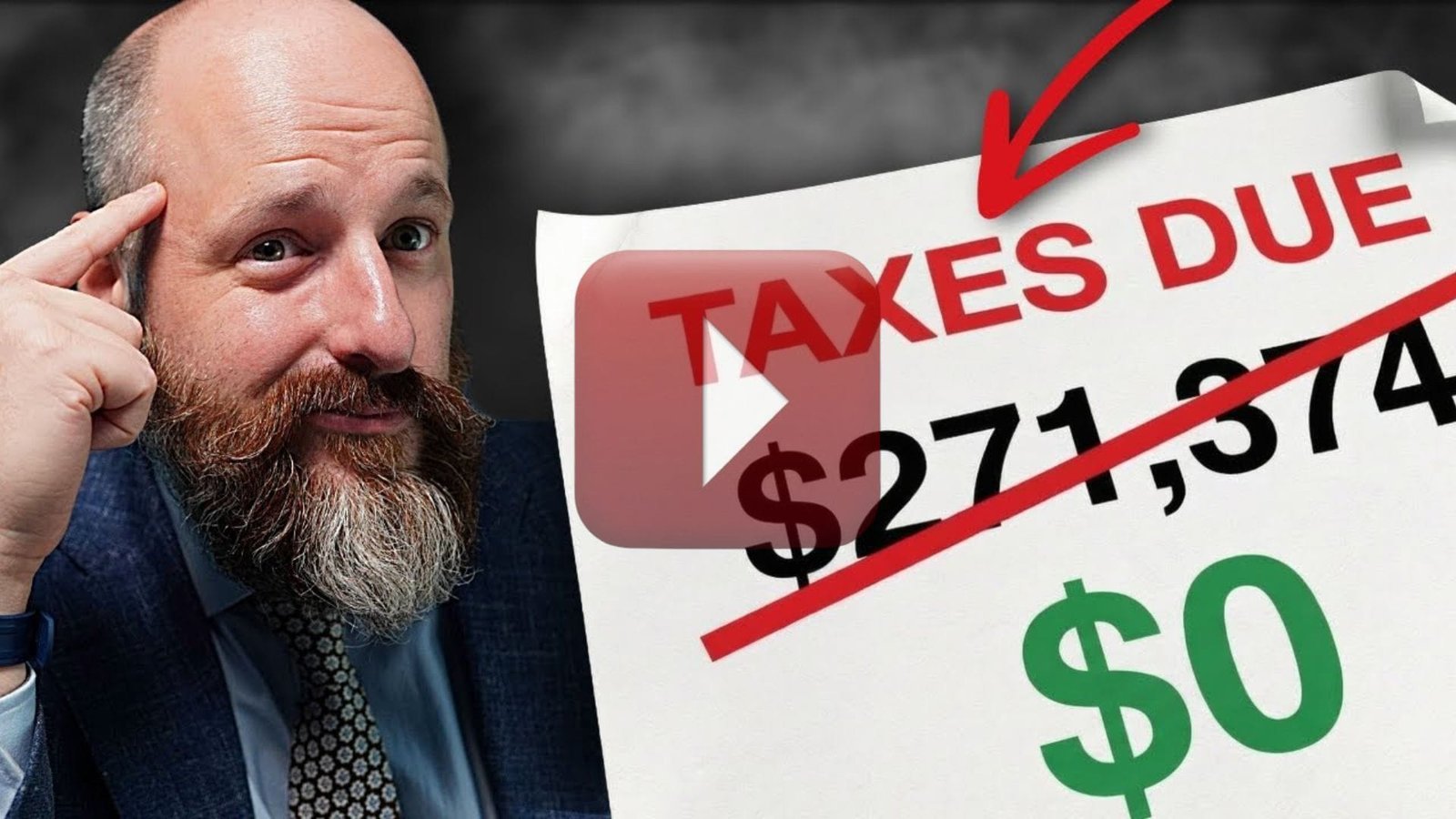

There has been a lot of noise lately around Trump’s new 100% write-off rules. Headlines make it sound like everyone can suddenly deduct everything immediately and pay zero tax forever.
As usual, reality is more nuanced.
These rules can be powerful, but only in very specific situations. And for non-residents, especially those running US LLCs from abroad, most of these write-offs do not work the way people expect.
In this article, I will break down what the new 100% write-off rules actually are, who they apply to, and most importantly, when they do and do not make sense for non-residents.
What Are the New 100% Write-Off Rules?
At a high level, the new rules allow certain business assets to be expensed immediately instead of being depreciated over many years.
Instead of deducting an asset over 5, 7, 15, or even 39 years, you may be able to deduct 100% of the cost in the year the asset is placed into service.
The main categories affected include:
- Vehicles used for business
- Equipment and machinery
- Real estate improvements
- Production and manufacturing facilities
- Research and development expenses
The goal is simple. Encourage spending inside the United States by allowing faster deductions.
The problem is that these incentives are very US-centric. If you are not paying US tax to begin with, deductions often do nothing for you.
Step One: Identify What Type of Taxpayer You Are
Before talking about deductions, you need to know which category you fall into. This matters more than the deduction itself.
Most people fit into one of these groups:
- US employees earning wages
- US-based freelancers or consultants
- US entity owners living in the United States
- Non-residents with US companies
If you are a non-resident with a US LLC providing services from outside the US, you are usually in category four. That distinction changes everything.
Many of these write-offs were not designed with you in mind.
100% Vehicle Expensing
One of the most talked-about write-offs is vehicle expensing.
If a business vehicle weighs more than 6,000 pounds and is used primarily for business, it may qualify for full expensing in the year it is placed into service.
This works well for US-based business owners who actually operate inside the United States.
For non-residents, this is usually a bad idea.
Owning vehicles in the US creates physical presence. Physical presence increases the risk of effectively connected income. And if you already structure your business to avoid US taxation, adding US assets often works against you.
If you are a foreign person with a US corporation that owns property, employs people, or operates locally, vehicle expensing may apply. For most service-based non-resident founders, it does not.
100% Equipment and Machinery Write-Offs
The next category is equipment and machinery.
Most tangible business assets with a class life under 20 years can now be fully expensed. This includes computers, cameras, furniture, machinery, and specialized equipment.
The full cost can be deducted, including shipping, installation, and sales tax.
This is helpful if you actually need equipment in the US.
If you are running a consulting business from abroad and your laptop sits in another country, this deduction does nothing for you. Buying equipment in the US just to get a deduction usually creates more compliance risk than tax savings.
Again, deductions only matter if you are paying US tax.
Real Estate Improvements and Cost Segregation
This is where things start to apply to more non-residents.
Many foreign investors own US real estate. For these investors, the new rules around real estate improvements and cost segregation can be meaningful.
Instead of depreciating improvements over long timelines, certain components can now be expensed much faster.
Cost segregation studies break a property into parts. Flooring, appliances, fixtures, wiring, and other components may qualify for accelerated depreciation or immediate expensing.
If you own multiple US rental properties through a properly structured holding company, these rules can significantly increase deductions in early years.
That said, real estate is already tax-advantaged. For many non-residents, the benefit is incremental, not transformational.
It works best when paired with proper entity structure and long-term planning.
100% Write-Off for Production Facilities
One of the newest and least understood provisions involves production facilities.
If you invest in a manufacturing or production facility in the US and commit to operating it for a required period, you may be able to deduct 100% of the cost immediately.
This is not a passive investment. You cannot simply buy a building and lease it out.
You must actually operate the facility.
For non-residents with large US profits, this can be interesting. For example, high-volume ecommerce businesses that want to bring manufacturing or fulfillment into the US may benefit.
You could invest millions into a facility, deduct the full amount, and still operate a real business.
This is advanced planning. It requires capital, operational commitment, and careful compliance. It is not something to attempt casually.
R&D Write-Offs and Credits
Research and development rules also changed.
If you develop or improve software or technology in the United States, you may now expense those costs immediately and potentially qualify for R&D credits.
The key word is United States.
The developers, contractors, or employees must be US-based. Payroll matters. Location matters.
For non-residents who intentionally avoid US payroll to reduce exposure, this deduction often conflicts with their existing strategy.
However, for hybrid businesses with US teams and offshore operations, this can be powerful when structured correctly.
The Big Misunderstanding for Non-Residents
Here is the hard truth.
If you are a non-resident with a properly structured US LLC and no effectively connected income, you are often already paying zero US income tax.
A deduction against zero is still zero.
Buying assets, hiring employees, or creating US presence just to chase deductions can backfire. It may turn a zero-tax situation into a taxable one.
Deductions are tools, not goals.
When These Write-Offs Actually Make Sense
These new rules make sense when:
You are already paying US tax
You have significant US-source income
You operate real businesses inside the US
You need deductions to offset real profits
They do not make sense when:
You are a service-based non-resident
Your income is sourced outside the US
You are intentionally avoiding US trade or business status
Every situation is different. Even after years of doing this, I still see unique cases every week.
Final Thoughts
Trump’s 100% write-off rules are real. They are powerful. And they are widely misunderstood.
For non-residents, the biggest risk is assuming that every new deduction is automatically good news.
Sometimes the smartest move is doing nothing.
Before making any changes, buying assets, or restructuring your business, you should review how these rules apply to your exact situation.
If you want to walk through this with us and see whether any of these write-offs actually help you, you can schedule a private call here: