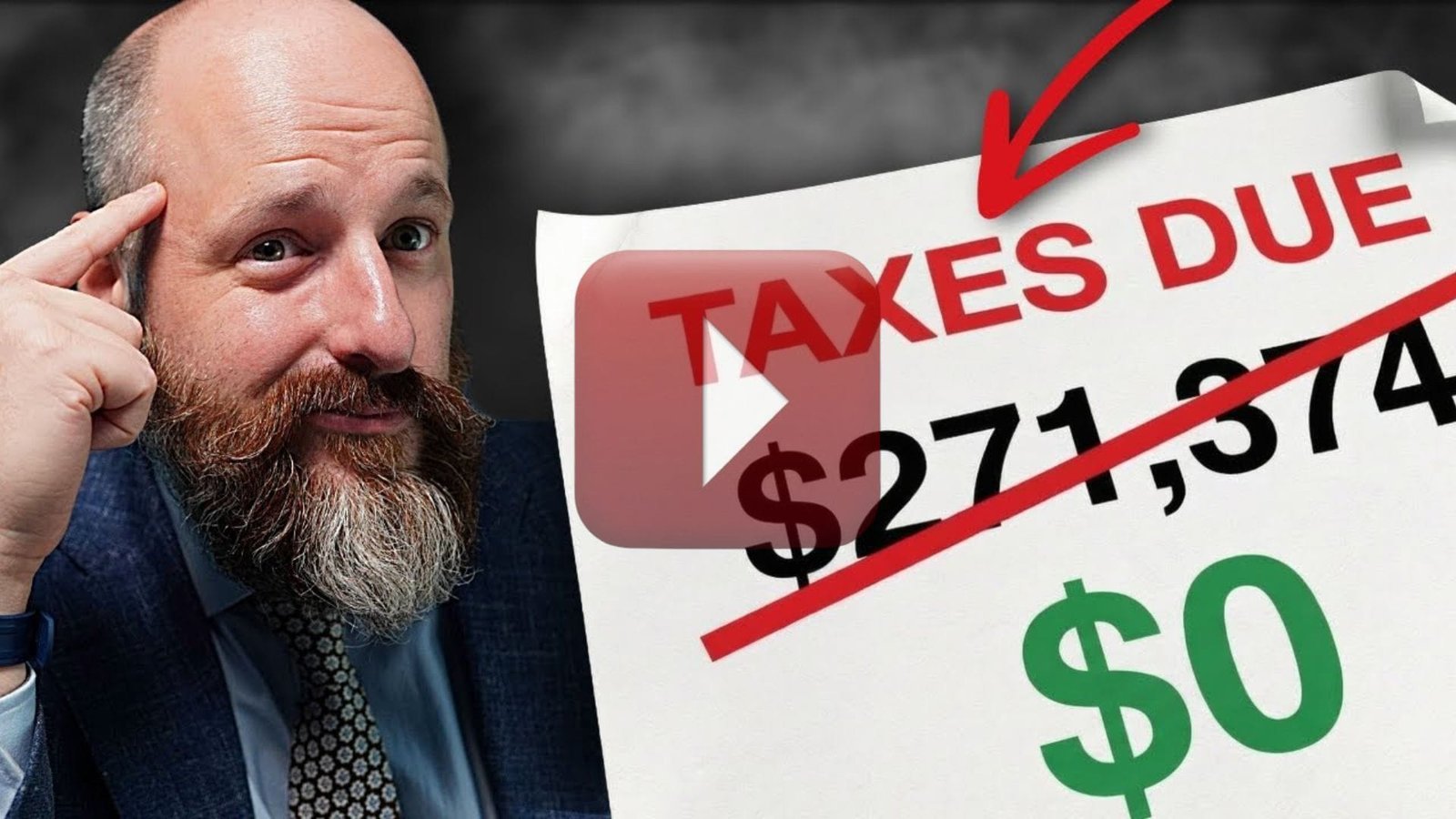

If you are a non resident with a US company, the end of the year is not just a date on the calendar. December 31 is a hard stop. What you review, fix, and document before that date can determine whether you legally pay zero US tax in 2026 or create problems that follow you for years.
I work with international founders every day. Canadians living in Mexico. Europeans running global consulting businesses. Ecommerce owners operating from Latin America or Asia. Most of them do not owe US tax. But many of them accidentally create US tax exposure without realizing it.
This article breaks down five critical checks you should complete before December 31 if you want to stay compliant and avoid unnecessary US taxes in 2026.
This is not theory. These are the exact issues that show up on real client calls in December.
1. Confirm you truly have no effectively connected income
Most non residents with a US LLC rely on one key concept: no effectively connected income, often shortened to ECI.
If your business is structured correctly, your US LLC is a pass through entity that does not pay US income tax because the work is performed outside the United States.
Before year end, you need to honestly review how you operated this year.
Ask yourself a few direct questions.
Did you have an office in the US
Did you store inventory in the US
Did you have employees or contractors physically located in the US
Did you travel to the US to provide services
Did you manage daily operations while physically in the US
If the answer to all of these is no, you are likely still clean. If the answer to any of these is yes, this is where problems begin.
Many people assume one short trip or one warehouse arrangement does not matter. It can.
December is the right time to review this because once the year closes, you cannot undo where work was performed.
2. Fix your structure if you touched the US
If you did have activity in the US, that does not automatically mean you owe tax on everything.
This is where structure matters.
A common solution is segmentation.
For example, a Canadian ecommerce owner living in Panama may want a US warehouse for logistics. That activity can live inside a separate US corporation. That corporation pays tax only on its own profit, which is usually small because it operates as a cost center.
Meanwhile, the global sales, brand, and online operations stay inside the foreign owned LLC that remains tax neutral in the US.
The same concept applies to consulting businesses, fulfillment operations, and even visa driven structures like E2 setups.
The key point is this: do not let US activity contaminate your entire business.
December is the last chance to restructure cleanly before the year closes.
3. Use timing of income and expenses strategically
Tax planning is often about timing, not tricks.
If you have an entity that pays tax somewhere, the goal is simple.
Accelerate expenses
Delay income
Before December 31, this becomes extremely important.
Here are common real world examples.
A US corporation pays tax, but the owners are foreign. That corporation can deduct management fees, consulting fees, or marketing services paid to a related foreign owned LLC. Those payments must be made before year end to be deductible.
Another example involves foreign companies paying tax overseas. Many founders run consulting or management services through a US LLC while living abroad. The foreign company pays fees to the LLC before year end, deducting them in the high tax country and moving income into a low or zero tax structure.
Miss the timing, and you lose the deduction for the entire year.
December 31 is not flexible. Once it passes, the opportunity is gone.
4. Clean up cross border payments and transfer pricing
If money moves between related companies, documentation matters.
When you pay yourself through multiple entities, tax authorities expect arm’s length pricing. That means the transaction must look like something two unrelated businesses would agree to.
This is where transfer pricing comes in.
Transfer pricing is not just a report. It is proof that services were real, priced fairly, and properly documented.
You do not always need a full study, but as payments grow, the risk grows too.
Year end is the right time to review:
Service agreements
Invoices
Descriptions of work performed
Pricing logic
If the entity paying tax is audited, weak documentation is one of the first things challenged.
Fixing this after the year ends is much harder.
5. Lock in compliance and keep your structure alive
Even if you pay zero US tax, compliance still matters.
Penalties come from missing forms, not from owing tax.
Before December 31, make sure you know exactly what you must file next year.
Single member foreign owned LLCs file a pro forma Form 1120 with Form 5472
Multi member LLCs file Form 1065 with K1s
C corporations file Form 1120
Foreign individuals with US income file Form 1040 NR
Each form has a strict deadline. Missing them can trigger automatic penalties even when no tax is due.
This is also the time to confirm extensions, ownership changes, and entity status so nothing breaks in 2026.
Why December 31 matters more than people think
Once the year closes, tax planning turns into tax reporting.
You cannot move income. You cannot relocate activity. You cannot change where work was performed.
Everything becomes historical fact.
That is why the smartest non residents review their structure before the year ends, not after.
If you want to confirm that your setup is clean, compliant, and optimized before 2026 starts, this is exactly what we review on strategy calls.
Getting this right now can save you years of headaches later.